Empowerment Lives Here
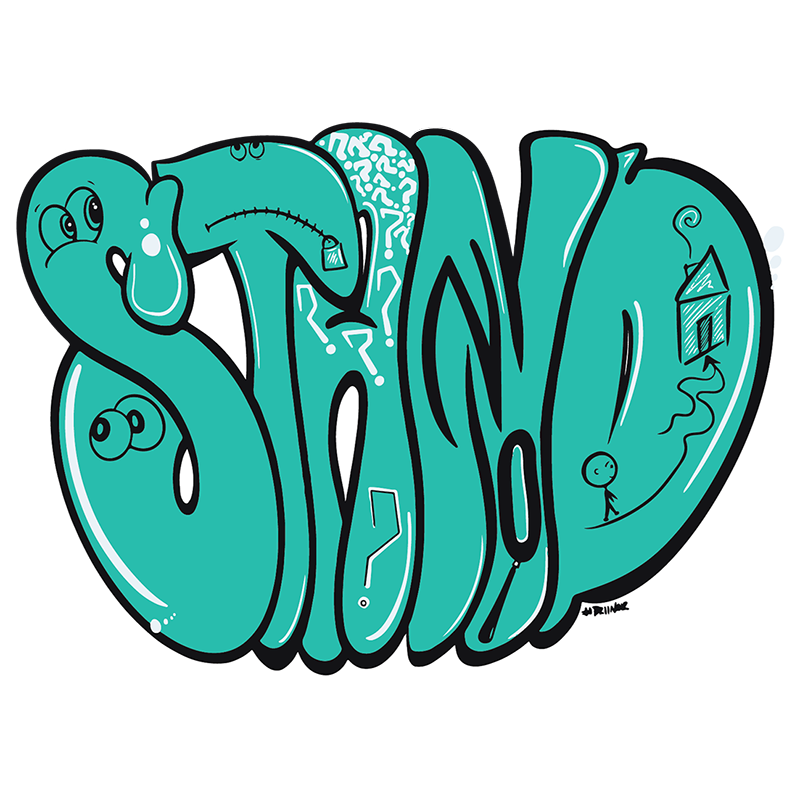
STAND
Protect yourself in interactions with law enforcement using our signature acronym.
Search & Seizure
The fourth amendment to the Constitution protects us from “unreasonable” searches and seizures..
In Minnesota there is a special court system for youth separate from the adult criminal process, called the Juvenile Justice System. The juvenile court has jurisdiction over individuals under the age of 18, who have been accused of unlawful conduct.
While they may seem similar, the Juvenile Justice system aims to provide support and services to help youth get their lives back on track, including diversion. However, there remain many disparate outcomes for youth of color, LGBTQ+ youth, and youth experiencing mental health issues.
A juvenile is a person under 18 years of age. In Minnesota, youth can be charged with a crime as young as 13 years old.
In the state of Minnesota, children under the age of 13 are considered legally incapable of committing crimes.
Key Players in the System
The Juvenile Justice system includes numerous stakeholders whose choices impact what will happen in a particular case, including:
When youth are navigating the Juvenile Justice System, these individuals work together to produce the outcome of someone’s case.
The Juvenile Justice System has some technical similarities and differences between the adult system. These include terminology for types of juvenile charges and cases.
Types of Charges (in order of severity):
Disproportionate Decision Points in the Juvenile Justice System includes:
Youth of color may be overrepresented at certain decision points and underrepresented at others.
Youth are especially vulnerable to police interrogations and arrests as they may be questioned without a parent present. Despite this, youth have the right to remain silent and demand an attorney.
Contact with the juvenile justice system can have lasting impacts on your future because of collateral consequences. Collateral Consequences are the long-term, negative consequences that follow after you’re done with court. These are different from direct consequences in a sentence (fines, incarceration, etc.) because they continue far beyond involvement with the legal system.
With a criminal record, accessing employment, stable housing, and other services and supports can become much more difficult. These are all examples of collateral consequences.
One way to mitigate collateral consequences is the expungement process. Expungement is the process of going to court and asking a judge to seal a juvenile or adult court record or arrest record so that it is no longer available to the public or certain agencies.
Examples of these Juvenile Justice alternatives in Minnesota include diversion programs and school-based restorative practices. These restorative justice approaches aim to create and facilitate relationship-centered, non-punitive, trauma-informed school climates and accountability systems.
Diversion Examples:
There are a wide range of School-Based Restorative Practices, including:
These are evidence-based practices that work. Restorative practices are important because a push to resolve conflict allows students to stay in school rather than the alternative of destabilizing youth by removing them from schools.
Understanding the Juvenile Justice System is important because it allows youth and their loved ones to be more informed advocates and support systems.
We hope this information clarified differences between the Juvenile Justice System and the Adult Criminal Court System.